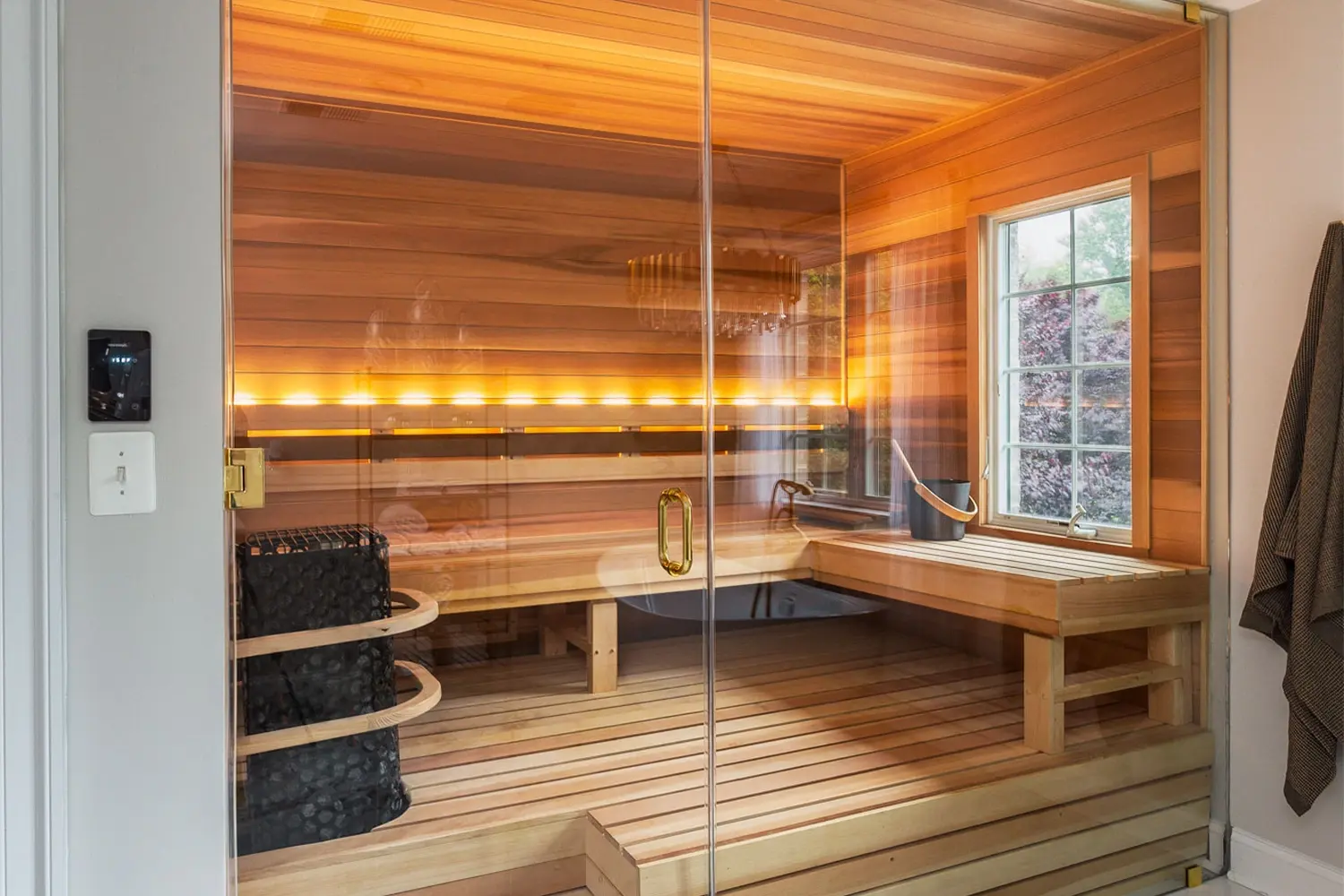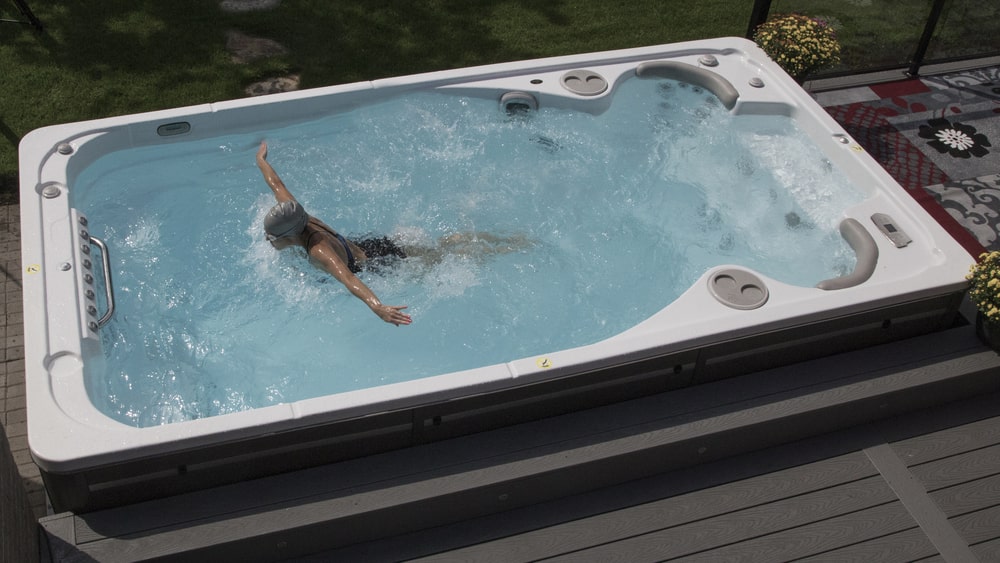






Yes, you can install a sauna in your basement. In fact, many New England homeowners choose basements to create dedicated wellness spaces without taking up outdoor areas.
Both traditional and infrared saunas can be used in a basement, but the setup requirements differ. The right choice depends on your space, ventilation, and how much installation work you are willing to do.
What Type Of Sauna Works Best In A Basement?
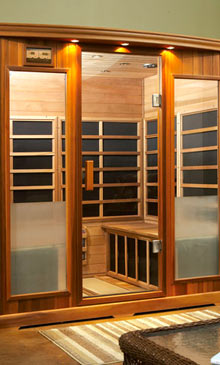
Infrared Saunas
Infrared saunas are the most straightforward option for basement installations.
- Plug into standard 120V outlets
- Require minimal ventilation
- Easier to install in finished basements
They are ideal if you want a simpler setup with less construction.
Traditional Saunas
Traditional saunas provide a more classic heat and steam experience but require more planning.
- Typically require 220V dedicated electrical circuits
- Produce steam, which increases ventilation needs
- Often need more space and prep work
These are better suited for homeowners willing to invest in a more involved installation.
What Ventilation Do You Need?
Ventilation is one of the most important considerations, especially in basements that already deal with humidity.
Infrared Sauna Ventilation
- Standard room airflow is usually sufficient
- A bathroom-style exhaust fan can help maintain air quality
Traditional Sauna Ventilation
- Requires fresh air intake and exhaust airflow
- Helps manage steam and prevent moisture buildup
- Reduces risk of mold or long-term humidity issues
Proper ventilation ensures your basement stays dry and comfortable.
What Electrical Setup Is Required?
Infrared Models
Most infrared saunas are designed to run on standard household power, making them easier to install without major electrical work.
Traditional Saunas
These typically require a dedicated 220V circuit, installed by a licensed electrician. This is one of the main added costs to plan for.
How Do You Manage Moisture In A Basement Sauna?
Basements in New England already experience higher humidity levels, so moisture control matters.
Flooring Considerations
- Tile or sealed concrete works best
- Avoid carpet or untreated wood
Vapor Barriers
Adding a vapor barrier helps prevent moisture from affecting surrounding walls and structures.
Consistent Ventilation
Proper airflow is what prevents mold growth, even with traditional steam saunas.
What Space Requirements Should You Check?
Before choosing a sauna, evaluate your space carefully.
Ceiling Height
Make sure your basement ceiling can accommodate the sauna height comfortably, with some clearance above.
Doorways And Stairs
Confirm that sauna panels or full units can fit through stairways and entry points during delivery.
Layout Planning
Leave room for safe entry, ventilation, and any additional wellness features you may want to add later.
How Much Does Basement Sauna Installation Cost?
The sauna itself is only part of the investment.
Infrared Sauna Costs
- Lower installation costs
- Minimal electrical upgrades
- Faster setup
Traditional Sauna Costs
- Electrical installation
- Ventilation setup
- Possible construction or finishing work
Planning for these additional costs upfront helps avoid surprises.
Should You Work With A Professional?
While some infrared saunas are DIY-friendly, most basement installations benefit from professional guidance.
Working with a dealer or contractor ensures:
- Proper electrical setup
- Correct ventilation design
- Long-term moisture protection
This is especially important for traditional sauna installations.
Create Your Basement Wellness Space With Great Bay Spa & Sauna
A basement sauna can transform unused space into a year-round wellness retreat. Whether you want a simple infrared setup or a full traditional sauna experience, the right planning makes all the difference.
At Great Bay Spa & Sauna, we help homeowners across New England choose the right sauna and navigate installation from start to finish.
Visit our Portsmouth or South Portland showroom or contact our team today to start planning your space.